A Guide to Basic Car Maintenance
Routine vehicle maintenance is one of the most effective ways to keep your car running safely, efficiently, and reliably for years to come. Staying on top of recommended service intervals helps prevent costly repairs, protects your vehicle’s long‑term value, and ensures the best possible driving experience.
Whether you just purchased a new vehicle from Kruse Motors or you're maintaining an older model, this guide covers the key maintenance practices every driver should follow.

The Importance of Regular Car Maintenance
Why Regular Car Maintenance Matters
Regular maintenance protects your investment and reduces the risk of breakdowns. By following your manufacturer’s service schedule, you help ensure proper vehicle performance, fuel efficiency, and longevity.
Key benefits of routine maintenance include:
● Avoiding major breakdowns by identifying issues early.
● Improved reliability and safety, especially with systems like brakes and tires.
● Maintaining resale value through documented service history.
● Enhanced fuel efficiency when components like spark plugs, filters, and fluids are properly maintained.
Essential Car Maintenance Services
Below are the most common and important vehicle services, including widely recommended intervals from industry sources. Actual needs vary by model—always refer to your vehicle’s owner’s manual for exact guidance.
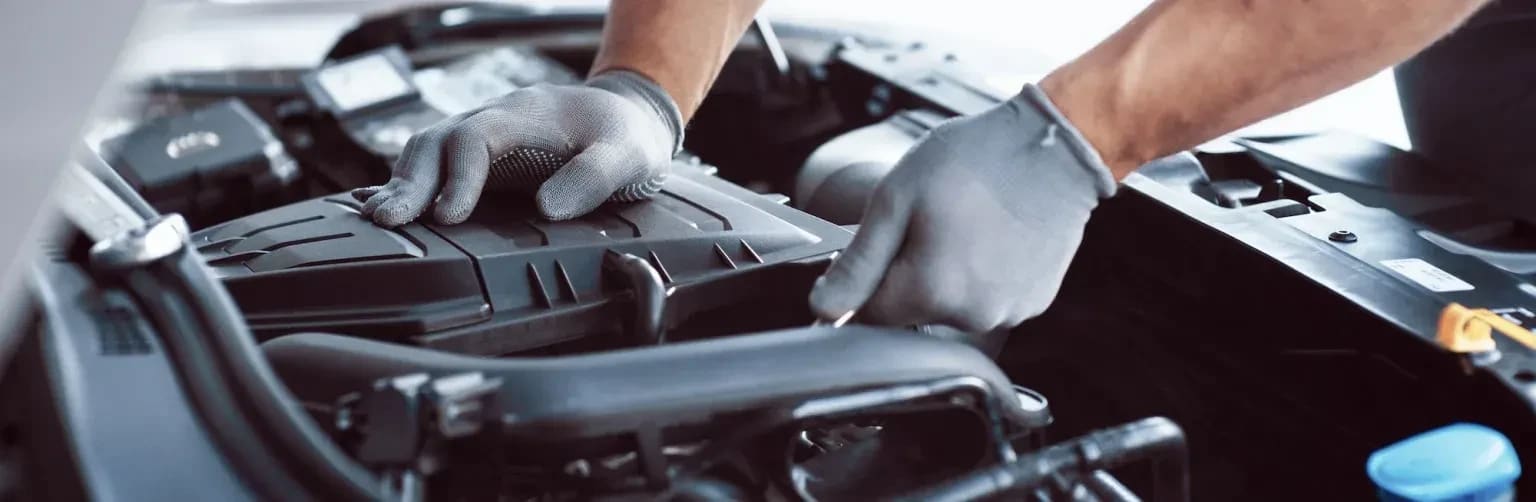
Regular Oil Changes
Oil is essential to engine health. It lubricates internal components, reduces friction, and helps manage engine temperature. Over time, oil naturally breaks down and collects contaminants, which reduces its ability to protect the engine. A consistent oil‑change routine helps ensure smooth performance and prevents premature engine wear.
How Often Should You Change Your Oil?
Most vehicles need an oil change every 3,000–5,000 miles, while many newer models using synthetic oil can safely extend that interval to 7,500 miles or more, depending on manufacturer guidelines.
Signs You May Need an Oil Change
● Oil appears dark, gritty, or dirty
● Unusual ticking or metallic engine noises
● Dashboard oil‑pressure or oil‑change indicator light
● Burning smell coming from the engine
Tire Care: Rotation, Pressure, & Tread
Proper tire maintenance improves safety, handling, braking, and fuel efficiency. Tires wear differently based on your vehicle’s weight distribution and driving habits, so routine inspections are crucial.
Rotation Frequency: Rotate your tires every 6,000–8,000 miles to promote even wear and extend their lifespan.
Why Tire Pressure Matters: Underinflated tires increase rolling resistance, lower fuel economy, and raise the risk of blowouts. Check pressure monthly and adjust according to the driver‑side door‑jamb specification.
Tread Wear Tips: Worn tread reduces traction and increases stopping distance. Drivers on gravel, dirt roads, and agricultural routes should check tread more often due to faster wear caused by dust and rough surfaces.
Brake System Inspections
Your braking system is a primary safety component, and regular inspections ensure reliable stopping power. Brake pads typically last 25,000–50,000 miles, but the lifespan varies based on driving conditions, speed, and vehicle weight.
What Inspections Include:
● Brake pad and rotor condition
● Brake fluid level and condition
● Caliper and hardware checks
Why It’s Important: Neglecting brake maintenance can lead to brake fade, increased stopping distance, rotor damage, and unsafe driving conditions. Professionals recommend checking brakes at every oil change.
Fluid Checks & Replacements
Your vehicle depends on several essential fluids that keep systems functioning properly. Regular inspections prevent overheating, hydraulic failure, and costly repairs.
Key Fluids to Monitor:
Coolant / Antifreeze – Prevents overheating; many types last up to 100,000 miles depending on formulation.
Transmission Fluid – Ensures smooth shifting; replace per manufacturer schedule.
Brake Fluid – Should be replaced every 24–36 months to maintain hydraulic pressure and prevent corrosion.
Power Steering & Differential Fluids – Critical for steering response and drivetrain health.
Why It Matters: Fluid breakdown over time leads to reduced performance, overheating, internal corrosion, and component failure. Consistent inspections protect long‑term vehicle health

Battery & Charging System
The battery and charging system keep your vehicle starting reliably and power all electronics. Environmental factors—including Minnesota’s extreme heat and cold—can shorten battery life.
Recommended Maintenance
Load‑test battery every 6 months
Inspect for corrosion on terminals
Confirm alternator output is within spec
Why It’s Important
Low voltage can cause starting issues, dashboard errors, dim lighting, and unreliable performance. Cold weather reduces cranking power, making proactive testing essential.
Filters: Engine & Cabin
Filters protect your engine and interior air quality. Both engine air filters and cabin filters gradually fill with dust, pollen, and debris—especially common in rural areas and around farm activity.
When to Replace Them
Replace engine and cabin filters every 12 months or 15,000 miles, or sooner in dusty environments or as recommended by the manufacturer.
Why They Matter
Engine filters maintain airflow and fuel efficiency
Cabin filters improve HVAC performance and air quality
Dust, dirt roads, and farming debris accelerate filter clogging
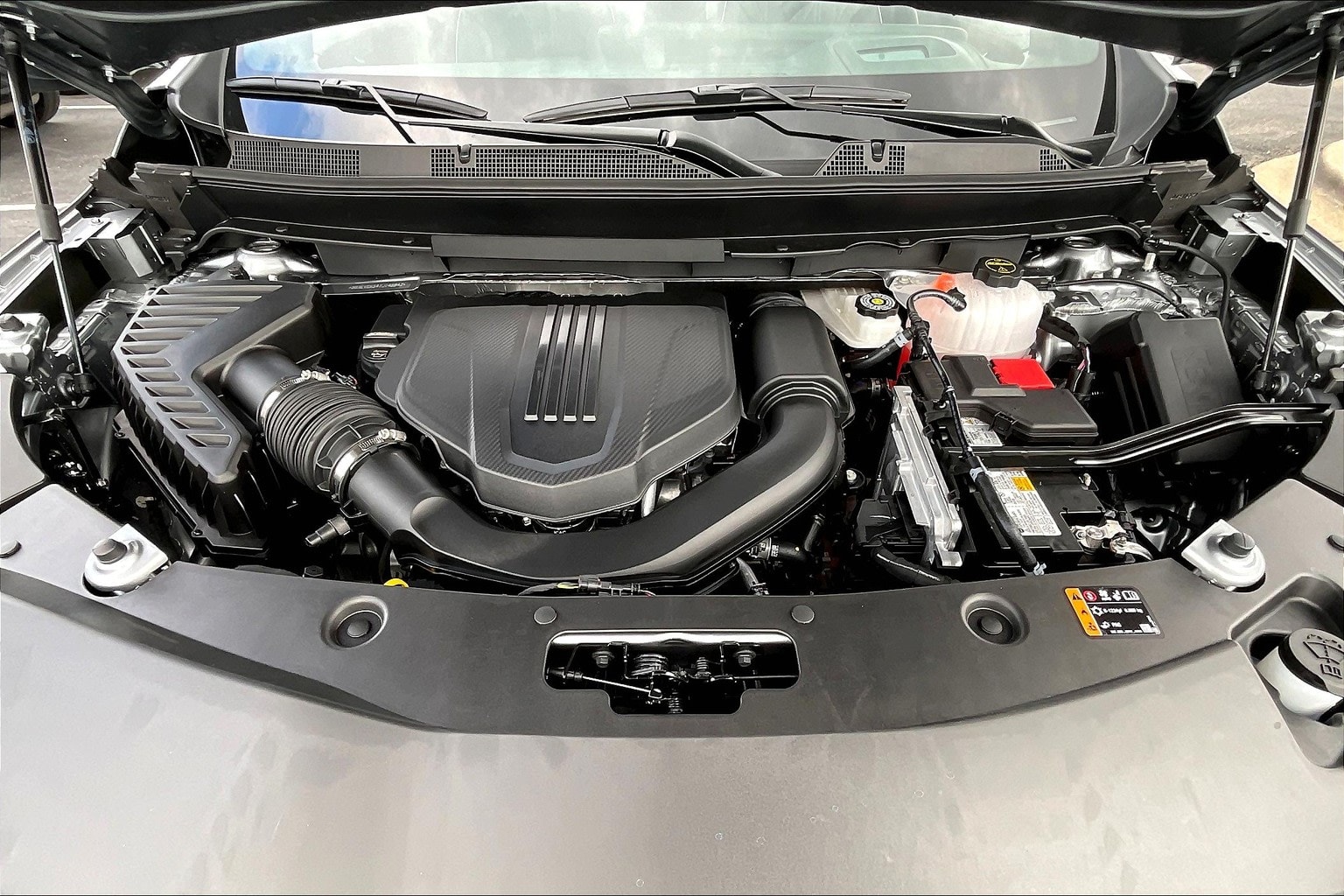
Belts & Hoses
Belts and hoses keep essential engine systems functioning, including the cooling system, power steering, alternator, and air conditioning.
Inspection Frequency
Inspect belts and hoses annually for cracking, swelling, fraying, or leaks.
Risks of Neglect
A broken serpentine belt can instantly disable multiple systems
Worn hoses can leak coolant and cause overheating
Small cracks can become major failures without warning
Seasonal Readiness (Dust, Dirt Roads, & Winter Weather)
Seasonal changes dramatically affect your vehicle’s performance, especially in regions with harsh winters, farming activity, and gravel or dirt roads.
Warm‑Weather Considerations
Farm dust and dirt‑road debris increase wear on filters, suspension components, and tires. More frequent cleaning and inspections can prevent buildup‑related issues.
Cold‑Weather Readiness
Check coolant strength and winter protection
Ensure tires have adequate tread for snow and ice
Test battery health - cold reduces starting power
Inspect wipers and replace if streaking or cracking
Why It Matters
Seasonal prep reduces breakdowns, improves safety, and keeps your vehicle performing reliably year‑round.